


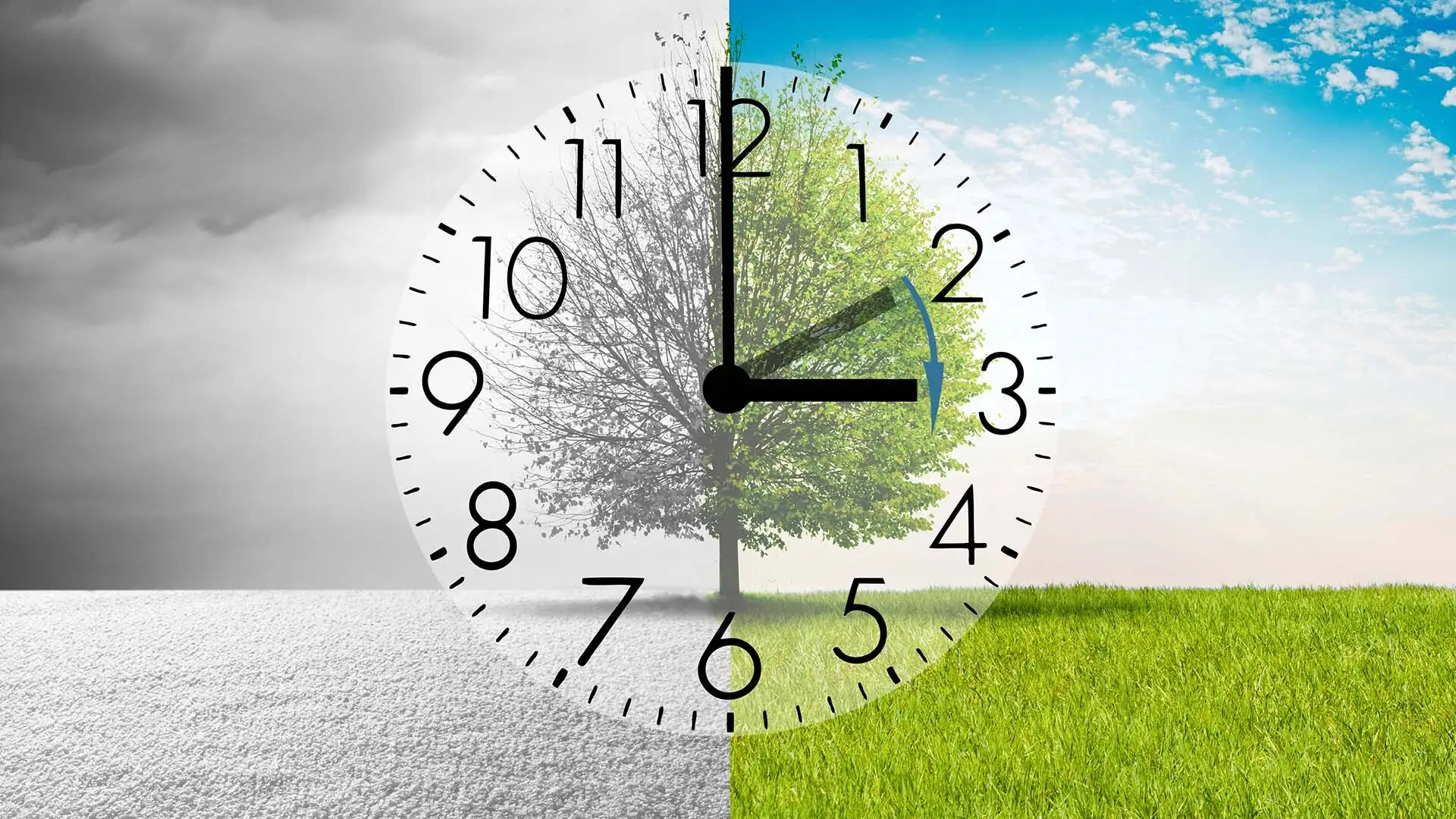
Daylight Savings was created over 100 years ago for farmers to make better use of the sunlight, but we no longer live in a world where Daylight Savings is relied on for work. If the original purpose is gone, why do we still change our clocks twice a year?
While Daylight Savings had a purpose back in the 1900s, the only thing it does for us now is mess up our sleep schedule, especially in the winter months. With the sun setting at five o’clock, our bodies immediately feel sleepy, long before the day is over. After school activities become instantly harder as students are participating in the dark, tricking their brains into thinking that it is nighttime.
When asked about the early sunset and after-school activities, Milla Sikorski (28’) said, “It makes me more unmotivated to go because it is dark and it feels like I should be in my bed.” Many students here at MHS feel the same way as the days get shorter and the nights get longer.
The early sunset also brings some safety concerns for students heading home after their activities. Walking or biking home in the dark is a lot more unsafe than if a student were to do those things while it was still light out. For new student drivers, the dark becomes especially unsafe as there is a higher risk of crashing. No matter the time, the sudden darkness makes it very hard to feel safe outside during the winter months of the year.
Daylight Savings can also seriously impact one’s mental health. Studies show that the transition into and out of Daylight Savings can increase depression, anxiety, and seasonal affective disorder, a type of depression that happens when the days get shorter. For students, this can impact grades, social life and their overall willingness to get things done and be productive.
While Daylight Savings affects the well-being of students, it does occur during a festive time, which brings up morale. Sikorski noted, “I’ve been happier because I know it’s closer to Christmas.” It is a great reminder that good things are coming, but even with the added excitement, the benefits of Daylight Savings Time just don’t outweigh the costs.
Daylight Savings is no longer a help to society like it was 100 years ago. Times have changed, and life has evolved, but Daylight Savings somehow still remains. Even though it leaves students exhausted, unsafe, and unmotivated, our country as a whole has not made the decision to get rid of it.
It’s no longer time to dwell on the past. It’s time to focus on the future, and getting rid of this unnecessary clock switch is a clear step into the future where students and other members of the community aren’t paying the price of this outdated and useless tradition.