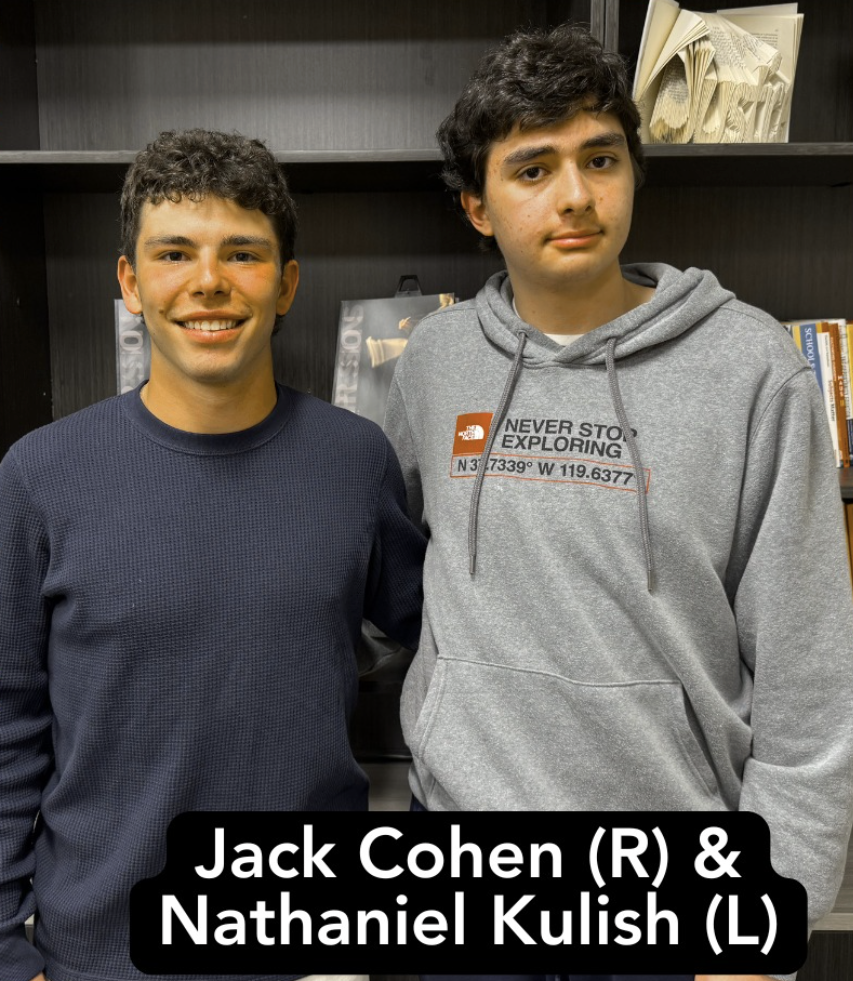


Mamaroneck High School today looks very different from what it once was. Over time, the school has evolved in several key ways, including academic rigor, social diversity, and its physical layout. These changes reflect how much MHS has grown and adapted. To investigate what MHS used to be like, this article draws on interviews with art teacher Kevin Klein, NYSC soccer coach Fabian Chaparro, and teaching assistant Susan Voina.
Mr. Klein was never a student at MHS; however, he has worked here since 1998, just one year before the 1999 construction project began. Long before this construction, the art gallery served as the auditorium. More recently, the construction fixed the disconnection between the Post and Palmer sides of the school. This disconnection left the student body split along the lines of whichever building students had a majority of their classes in, so the 1999 constructions were very beneficial for the students.
Mr. Klein described several staff members who had a strong impact on his career. He spoke highly of his art mentors, Mr. Murray and Mrs. Zheutlin, who played a key role in shaping his journey to becoming an art teacher by teaching him both artistic techniques and effective teaching strategies. During that time, the unit principal (principal of an aspect of the school) Mr. Benizio “was very involved in the school community” and was known for helping many teachers navigate challenges. Back then, the art staff was only 4-5 people, much smaller than today, yet still very supportive, much as it is now. Mr. Klein added that some notable figures attended Mamaroneck High School, including actor Matt Dillon and artist Norman Rockwell.
NYSC soccer coach Fabian Chaparro, a student at MHS in the class of 2012, recalled how construction on Memorial Field had just been finished during his senior year. It quickly became the hub of sporting and social activities. At the time, the parking lot next to Memorial Field served as the senior lot, where students often brought chairs, played games, and spent time together. Because of its popularity, it also became a place where administrators would go when issues arose, as many students gathered there daily. As Fabian stated, “when trouble happened, the principals would go there to ask questions.”
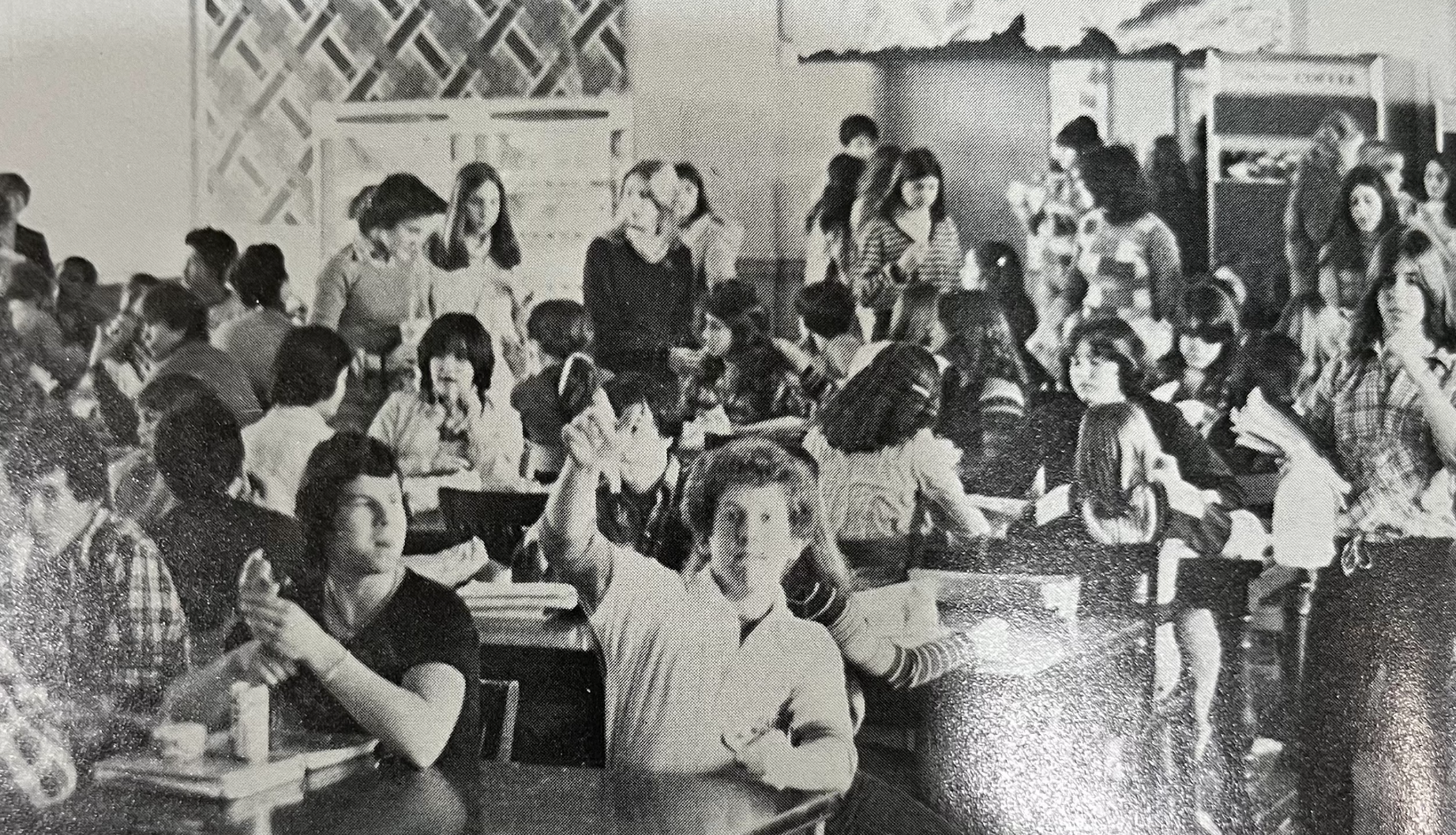
Mrs. Voina attended MHS during the 1970s. The layout of the school was very different then. There were two cafeterias, one in Post and one in Palmer; today’s fitness center occupies the former Palmer cafeteria. A common gathering spot was the “A-WALL,” a wall just outside the glass doors by the stairs, where students ate lunch and caught up with friends. During this time, the school introduced new foreign language classes, including French and German. Students took fewer APs, and the coursework was generally less demanding.
MHS is not the same school it was decades ago. The Post and Palmer sides have merged into a unified campus, social life has migrated from lot to field to bench, and academic expectations have climbed steadily. The building may look familiar, but almost everything inside it has changed.